
Maleria Test Early
You Need to Know About Malaria?
Malaria remains one of Africa’s most urgent public health challenges. According to the World Health Organization, in 2024 the African region accounted for 95% of global malaria cases and 95% of global malaria deaths, with children under five making up the majority of those lost. [who.int]
Many African countries continue to make progress—such as the expansion of diagnostic tools, insecticide-treated nets, and community awareness—but the fight is far from over.
Our Malaria Awareness Newsletter is designed to:
- Explain malaria in simple terms and clinical findings on the malaria tests
- Highlight the implications of signs of exposure. If not treated, this could result in health complications
- Show how malaria is diagnosed from testing
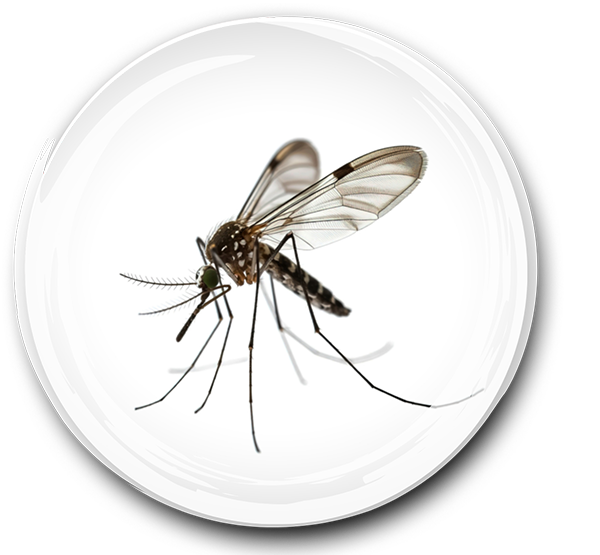
- Share the Lifecyle of mosquito when the mosquito takes blood and injects Plasmodium.
- Promote awareness to individuals and communities who have a travel history to malaria areas.
Why We Focus on Malaria Testing?
Malaria is preventable. Malaria is treatable. But only if we act early. Together, we can stop malaria and build a healthier Africa. Early diagnosis and treatment are important; this newsletter highlights the symptoms. If you have been to a malaria area in the past month and feel unwell, report it to a healthcare worker immediately.
Malaria screening is of significant clinical importance for early diagnosis, appropriate management, reducing transmission, preventing complications and ensuring the safety of individuals at risk of malaria infection.
Choose the right blood test for malaria is crucial which is why we have a listed them below:
- Malaria Thin Smear: Microscope based test for rapid detection of malaria parasites using a stained blood sample.
- Malaria Thick Smear: Highly sensitive slide method, the gold standard for detecting low, parasite levels
- Malaria Antigen: Reliable and quick malaria test
- Malaria (Automated Analyser): Advanced machine-based malaria detection offering deeper insight for optimized treatment decisions.
- Quantitative Buffy Coat-Malaria: Referred as “QBC” , A specialized fluorescence‑based microcentrifugation technique for detecting malaria parasites with high sensitivity.